About this landmark
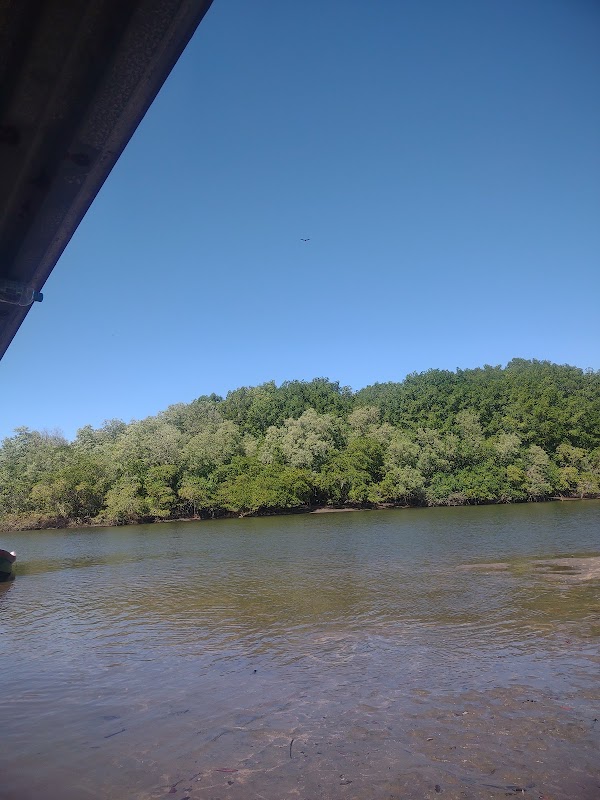
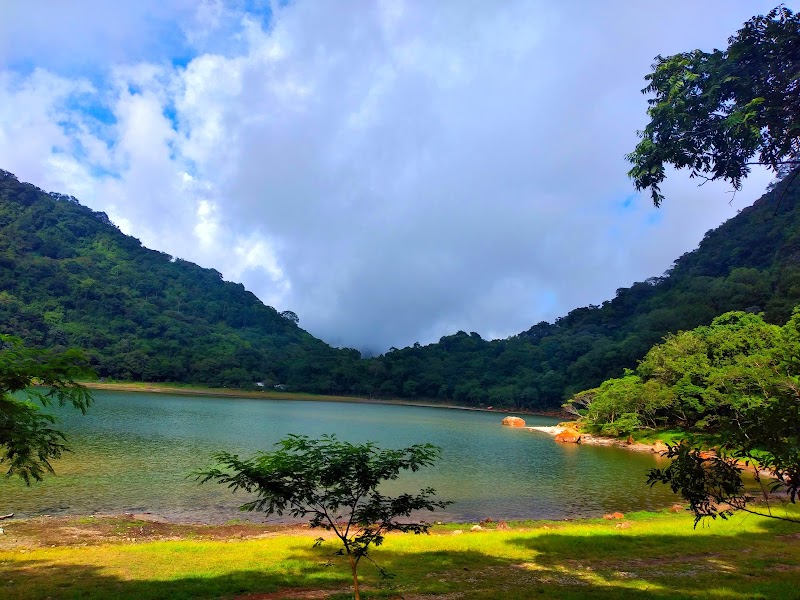
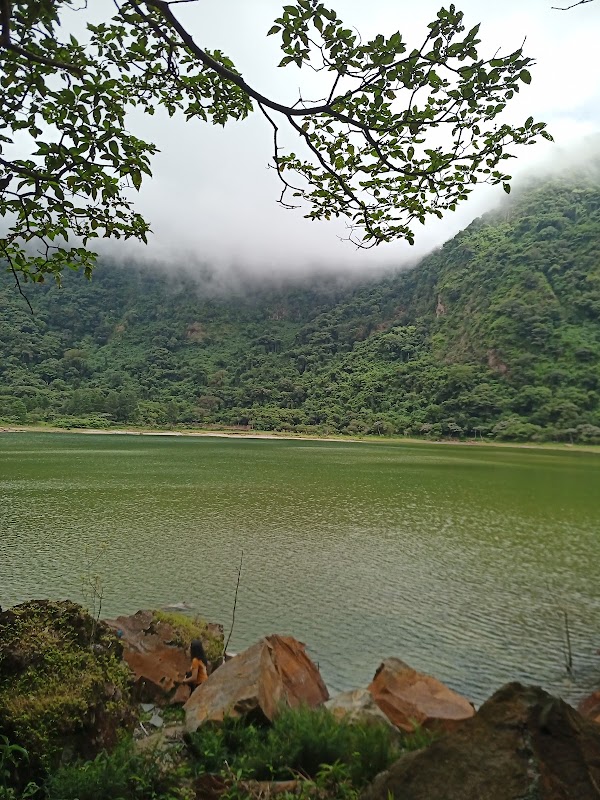
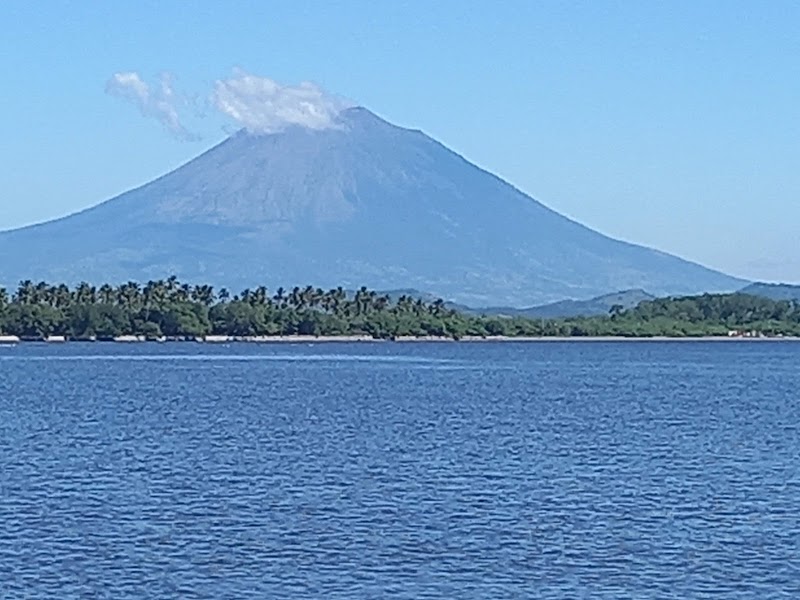
Bahía de Jiquilisco, tucked away in the southeast coast of El Salvador, is a stunning natural gem renowned for its intricate mangrove ecosystem and picturesque vistas of volcanic peaks. This bay is the largest estuarine system in the country, offering a rich diversity of wildlife habitats and extraordinary outdoor escapades. The area is particularly notable for its lush mangroves and vibrant birdlife, making it a haven for nature enthusiasts and bird watchers. The nearby landscape includes the majestic appearance of stratovolcanoes, silhouetted against clear blue skies, providing a captivating backdrop for the bay's tranquil waters.
A unique highlight of Bahía de Jiquilisco is its role as a crucial nesting site for four species of sea turtles, contributing to its ecological significance. The bay's channels and islands invite visitors to immerse themselves in serene beauty or embark on vibrant adventures. Its diverse marine life, coupled with stunning sunsets over the Pacific, makes it a stand-out destination in El Salvador. Whether you're paddling a kayak or simply soaking in the scenic surroundings, Bahía de Jiquilisco offers an enriching escape into nature.
Adventure Guide
Adventure Guide To Bahía de Jiquilisco
1. Kayaking in the Mangroves
- What makes it special: Paddle through serene channels and explore diverse flora and fauna.
- Key features: Look for rare bird species and tranquil waterways.
- Local Insights: Hire a local guide to learn about mangrove conservation efforts.
- Visitor Tips: Best from November to April; bring sunscreen and water.
- Directions: Around 1.5 hours drive from San Salvador, head southeast via the CA-2 road.
2. Turtle Watching
- What makes it special: Witness sea turtles nesting along pristine beaches.
- Key features: Night tours are available from August to November.
- Local Insights: Participate in conservation projects with local communities.
- Visitor Tips: Wear comfortable shoes and insect repellent; follow guides' instructions.
3. Bird Watching
- What makes it special: Spot diverse bird species in their natural habitat.
- Key features: Ideal for photographers and avian enthusiasts.
- Local Insights: Visit early morning or late afternoon for the best viewing.
- Visitor Tips: Bring binoculars and a field guide for identification.
Visitor Tips
- Best Times:November to April for favorable conditions and optimal lighting.
- What to Bring:Plenty of water, sun protection, a camera, and respectful Leave-No-Trace mindset.